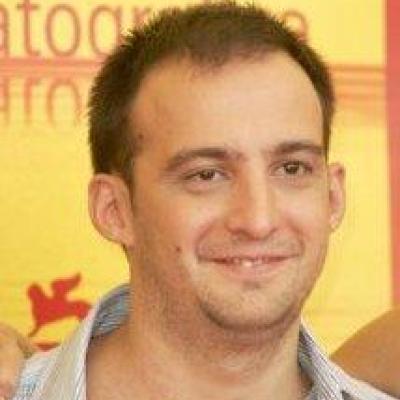
An Oscar means a lot of things because it's like the ultimate award for a filmmaker so it feels great. But I think you have to consider awards with some distance and not get obsessed with it. When you're creating you shouldn't think about it.
I could feel the real interaction between directing and acting, when an actor or an actress really suggests very interesting things.
What's really exciting for me is communicating to other people and not just going somewhere to make a movie. That's Hollywood to me and it would mean nothing.
Sometimes a piece of music in the score isn't effective. When a score is too well finished with too many elements, sometimes it's too much.
In horror movies today its lots of fast cut shot and lots of loud noises on the soundtrack. I tried to do the opposite. Playing with silence for instance.
My movies are not movies of answers but of questions.
I would love to stay alone when I'm creating.
My mother used to take my brother and me to get any books we wanted, but they were second hand books published in the '30s and '40s. I liked scary books.
My first cut is always pretty similar to the final cut.
In Hollywood you always feel a bit like a hake. The publicists march people up and down in front of you and they interview you... You feel like the turbot and the sea-bream go by, and you're the hake.
For my first movie, I think my first cut was like three hours, because when you first direct a movie, you want to keep everything. But I'm not one of those directors who falls in love with the stuff they've done. Already when I'm doing my first cut, I'm willing to cut out everything that is necessary.
My movies, in general, I have the impression that when they finish of course they're never originally what you had in mind.
I wouldn't say I'm a very controlling person. For instance, when I talk to the actors, I don't tell them exactly what I want because I want them to surprise me. I even encourage them to change some of the verses of the script if they need to.
Sometimes it depends on the actor or the actress. Sometimes they demand a lot of rehearsals. Sometimes they don't. Making movies is not like making a play, so I guess you can leave some of the work for improvisation when they do the work.